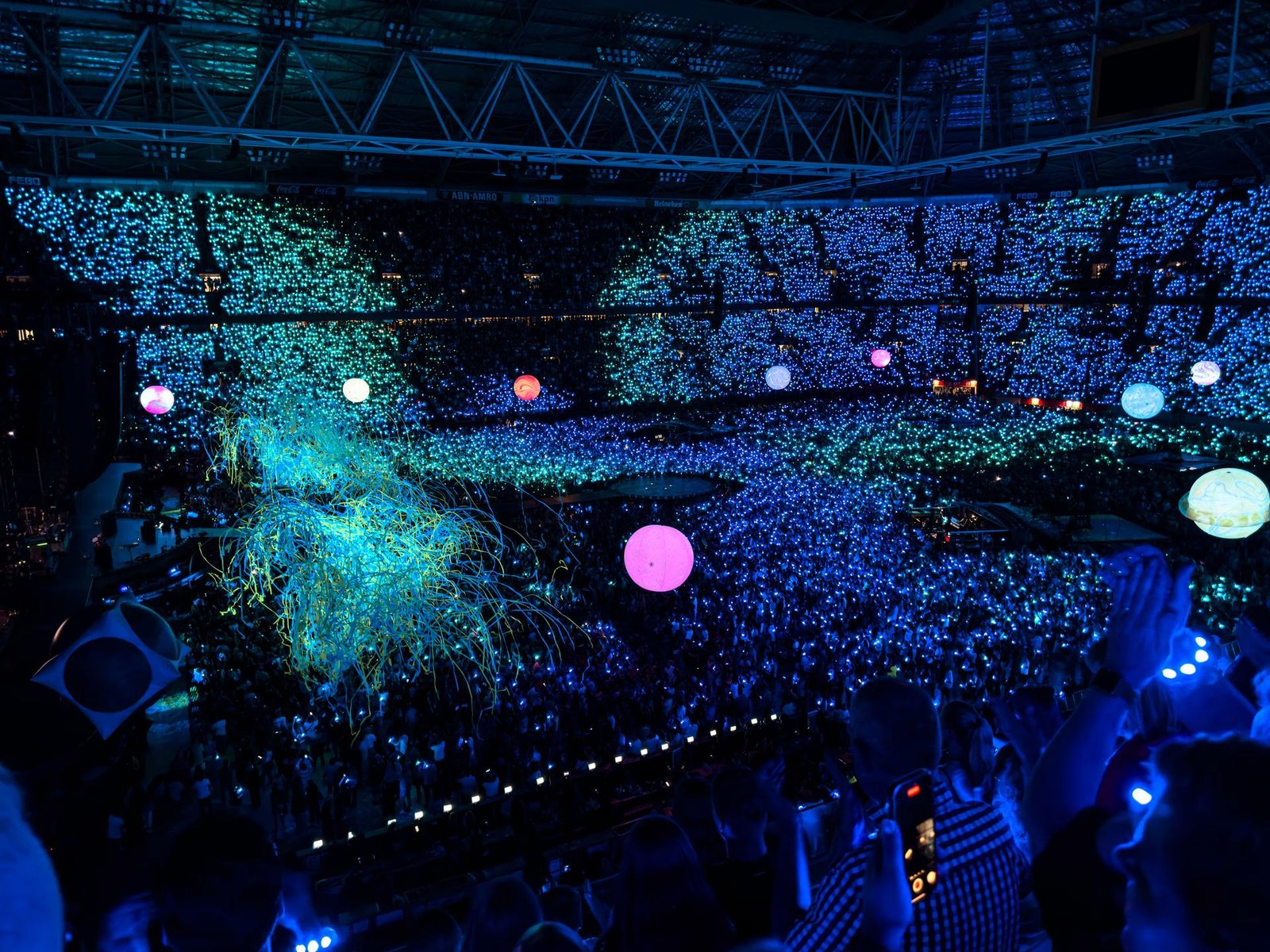
Football is often described as a game first and a business second. At the elite level, the two are now inseparable. The clubs, leagues and tournaments that dominate the sport operate as international media, entertainment and hospitality businesses, with audiences and partners spread across every continent.
The scale is visible in the numbers. According to Deloitte's 2026 Football Money League, the twenty highest-earning clubs generated a record €12.4 billion in revenue in the 2024/25 season, 11% more than a year earlier. Real Madrid became the first club to pass €1 billion in a single season in 2023/24, and did so again in 2024/25, reporting €1.161 billion.
Commercial income now leads
The most striking change is where the money comes from. Commercial revenue — sponsorship, merchandising, tours and other non-broadcast partnerships — was the largest revenue stream for Money League clubs, at €5.3 billion: the first time any single stream has passed €5 billion. Real Madrid alone generated €594 million in commercial revenue, about half of its total income.
“The highest revenue generating clubs are probably broader than football.”
Broadcast income remains fundamental, but the elite clubs that grow fastest are those that behave like global brands: they sell experiences, products and partnerships to audiences who may never attend a home match.
International fan communities
Many of the largest football fan bases now live far from the cities their clubs represent. They follow matches through broadcast and streaming, engage through social media and club apps, and travel for pre-season tours or occasional pilgrimages to the stadium. Serving these communities well requires more than translated content. It means understanding when and how fans in different time zones watch, what they value, and which local partners can bring the club closer to them.
Club and league ecosystems
Clubs operate within ecosystems of leagues, confederations and global competitions, each with its own commercial programme. Those structures continue to evolve. The UEFA Champions League moved in 2024/25 to a 36-team league phase in which each club plays eight different opponents. FIFA expanded the Club World Cup to 32 teams for its 2025 edition in the United States, and Deloitte attributes much of the growth in Money League clubs' broadcast income to that tournament. More matches create more inventory for broadcasters and partners — and more pressure on player welfare and calendars, a tension the industry has yet to resolve.
Sponsorship opportunities
Football sponsorship has become highly segmented. Alongside principal shirt partners sit sleeve and training-kit partners, official suppliers, regional partners in specific markets, stadium naming rights and category partners in sectors from technology to travel. This structure lets clubs work with a wider range of brands; it also asks more of each partnership. Brands increasingly expect content, hospitality, data and access to players and legends, not only exposure. We explore what makes these relationships work in The Art of Sports Partnerships.
International tournaments
International tournaments concentrate the commercial power of football into a few weeks. The 2026 FIFA World Cup, staged in Canada, Mexico and the United States, was the first with 48 teams and 104 matches across 16 host cities. For hospitality providers, sponsors, broadcasters and host cities, tournaments of this scale demand planning that begins years in advance and coordination across national borders.
Hospitality and VIP experiences
Matchday revenue is growing fastest of all. Deloitte reports that it reached a record €2.4 billion for Money League clubs in 2024/25, its fourth consecutive year as the fastest-growing stream. Redeveloped stadiums with expanded premium areas are a major driver: Real Madrid's €233 million in matchday revenue is the second-highest ever recorded by a Money League club, and Barcelona generated around €70 million from seat licences linked to its stadium redevelopment. Premium hospitality — boxes, lounges and dining with the best views — is now a strategic product rather than an add-on. See The Global Business of Premium Hospitality.
Media, content and audience engagement
Between matches, clubs compete for attention like media companies. Behind-the-scenes content, short-form video, documentary series and community programmes keep audiences engaged through the week and through the close season. The most valuable content feels authentic to the club and gives partners natural, credible roles rather than interruptions.
Cross-border commercial opportunities
The commercial map of football is widening. Deloitte notes that clubs outside Europe's traditional leagues — Saudi Pro League clubs and Major League Soccer's Inter Miami among them — are emerging as genuine commercial challengers. For rights holders and brands alike, cross-border opportunities are real, but they depend on local knowledge, regulatory understanding and trusted partners on the ground — the subject of Building Successful International Event Partnerships.
The importance of long-term relationships
Football's commercial cycles are long. Rights deals, sponsorships and stadium projects run for years, and fans are quick to notice partnerships that feel opportunistic. The organisations that build lasting value tend to invest in relationships: they understand a club's culture, respect its supporters and measure success over seasons rather than matchdays. As we argued in Partnerships That Last, alignment and accountability matter more than any single headline deal.
Conclusion
International football is a global industry built on local passion. Its commercial strength comes from the same source as its cultural power: millions of people who care deeply about a club, a country or a moment. Businesses that want to work in the game will succeed by respecting that connection — and by bringing it to audiences in ways that add to the experience rather than extract from it.
Sources
- 1.Deloitte: Deloitte Football Money League 2026 (opens in a new tab)
- 2.Real Madrid C.F.: For the third year in a row, Real Madrid is the highest earning football club in the world according to Deloitte (opens in a new tab)
- 3.Sky Sports: Deloitte Football Money League: Man Utd fall to lowest position with Liverpool the highest-earning PL club and Real Madrid top (opens in a new tab)
- 4.UEFA: Champions League new format explained (opens in a new tab)
- 5.Al Jazeera: FIFA Club World Cup 2025: Teams, full schedule, prize money, how to stream (opens in a new tab)
- 6.FIFA: When and where is the FIFA World Cup 2026 being held? (opens in a new tab)
- 7.FIFA: FIFA World Cup 2026 by the numbers: inside the unprecedented operation behind the biggest sporting event in history (opens in a new tab)
Figures and dates are taken from the sources above, as published at the time of writing. This article is an industry perspective from Maldeo Entertainment.