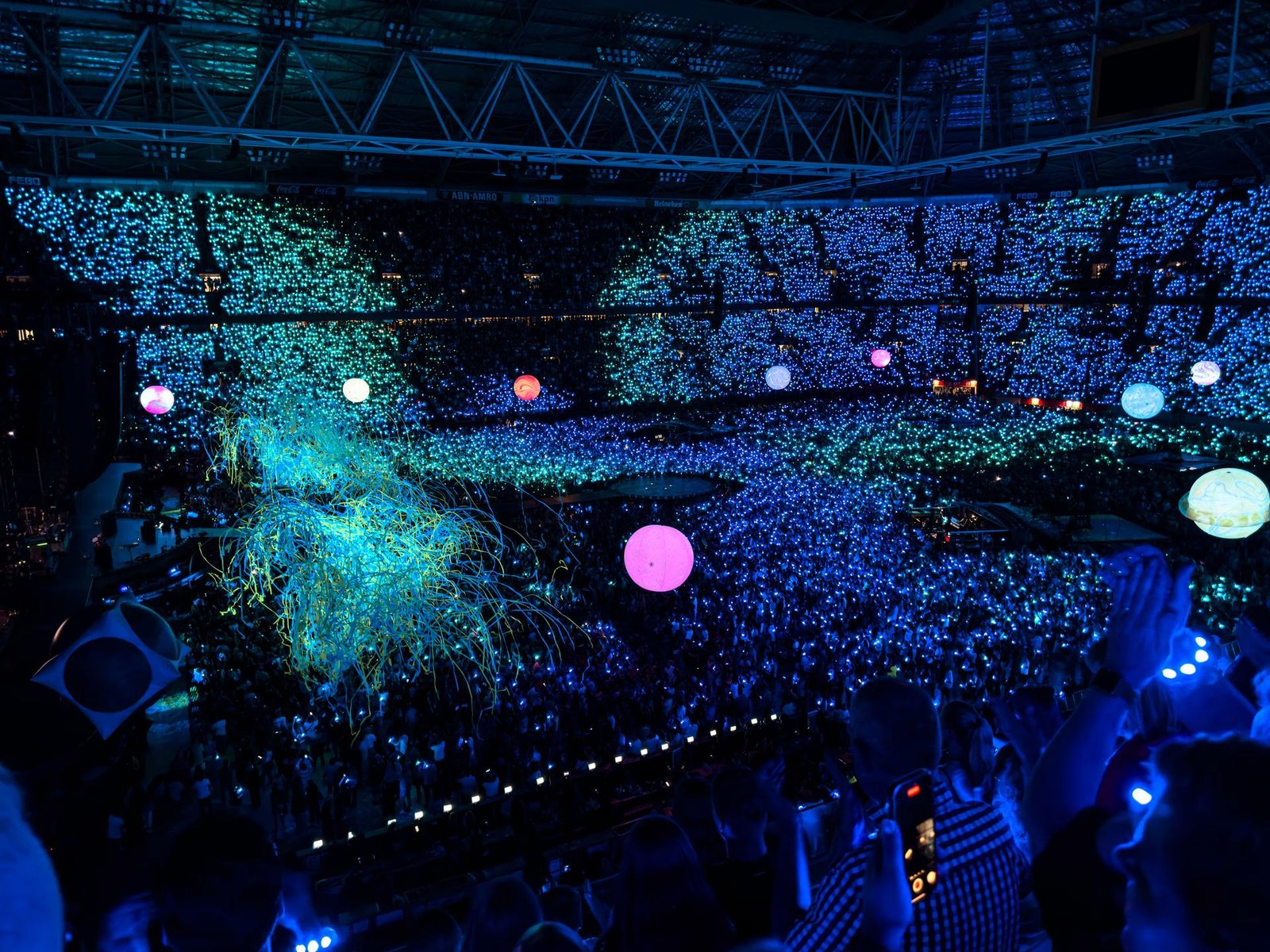
The largest events in sport and entertainment are now international undertakings. Their audiences come from many countries, their partners operate across several markets, and some events are shared between host nations. The 2026 FIFA World Cup was staged across Canada, Mexico and the United States. FIFA has appointed Morocco, Portugal and Spain to host the 2030 edition, with centenary celebration matches in Argentina, Paraguay and Uruguay. In basketball, the NBA and FIBA are jointly developing a new league in Europe. Events of this kind depend on partnerships that work across borders.
Why cross-border partnerships are different
Every event partnership involves aligning different interests. Across borders, the challenge multiplies: different legal systems, currencies, languages, business cultures and expectations about how decisions are made. What seems obvious in one market may be unusual in another. Successful international partnerships recognise these differences early and build structures that can absorb them.
Who sits at the table
A major international event typically brings together:
- international promoters, who carry financial risk and coordinate delivery;
- rights holders — leagues, federations, artists' representatives — who control the content and the brand;
- venue operators, who know the building, its capabilities and its constraints;
- sponsors and commercial partners, who bring investment and activation;
- local authorities, tourism bodies and public services, who make the event possible in the host city.
The Las Vegas Grand Prix is a useful illustration: Formula 1 and its owner worked with Live Nation, the local convention and visitors authority and several casino operators to bring the race to the Strip. Few major events are delivered by a single organisation.
The value of local market knowledge
International standards set the ambition; local knowledge makes it achievable. Local partners understand audiences, pricing, media habits, suppliers, seasons and the informal networks that make things happen. They know which venues have the right infrastructure, which dates clash with religious or national holidays and how the public is likely to respond. Treating local partners as equals rather than subcontractors is one of the most reliable predictors of success.
Regulatory considerations
Every market has its own rules. Event permits, safety codes, licensing for alcohol and broadcasting, tax treatment of performers and visiting athletes, work permits for crew, customs procedures for equipment, data protection and consumer-protection law all vary from country to country. Regulations also change: ticketing rules, for example, have tightened in several markets, as we discuss in The Future of Live Event Ticketing. Early, specialist advice is far cheaper than late discovery.
Cultural understanding
Culture affects everything from negotiation style to the design of the fan experience. Attitudes to time, hierarchy, hospitality, dress, food and celebration shape how an event should feel. A format that works brilliantly in one city may need careful adaptation in another. Cultural understanding is not a soft skill in international events; it is a commercial one.
Contractual alignment
Clear contracts are the backbone of any international partnership. They should set out scope, responsibilities, approvals, budgets, currencies, payment schedules, intellectual property, data ownership, insurance, cancellation and force majeure. Just as important is consistency: the agreements between promoter, rights holder, venue and sponsors must fit together, so that no party is promised something another cannot deliver.
Financial structures and risk sharing
Money is where international partnerships are most often tested. Partners need to agree who funds what and when, in which currency, and what happens if costs rise or revenues fall short. Common tools include staged payment milestones, deposits and guarantees, shared contingency budgets and clear rules on how profits or losses are divided. Currency exposure, local taxes and withholding obligations should be understood before prices are set, not after. Insurance — for cancellation, liability and key assets — needs to be arranged so that coverage is consistent across every party. Clarity at the start avoids disputes at the moment when partners most need to trust one another.
Operational coordination
Once agreements are signed, success depends on coordination. A single master plan, shared timelines, clear decision rights and regular communication help partners in different countries work as one team. On site, a unified control structure — with representatives of every key partner — allows fast decisions when conditions change. We describe this in more detail in From Event Concept to Execution.
Governance and communication
Large partnerships benefit from a simple governance structure: a steering group of senior representatives who set direction and resolve escalated issues, and working groups that manage delivery. Agreeing in advance how decisions are made — and who can make them under time pressure — prevents delay when it matters most. Regular, honest communication, including about problems, keeps partners aligned across time zones and cultures.
Long-term partnership structures
Many of the most successful international events are built on long-term relationships: multi-year agreements, recurring events and, in some cases, joint ventures. Continuity allows partners to invest, to learn and to improve each edition. It also builds trust, which becomes invaluable when difficult decisions have to be made quickly. As we noted in Partnerships That Last, alignment of objectives and transparency of terms are the foundations.
Conclusion
International event partnerships succeed when ambition is matched by preparation: the right partners, clear agreements, respect for local realities and a shared commitment to the audience. The world's events will continue to cross borders. The partnerships that deliver them well will be those built with the same care as the events themselves. For a wider look at partnership principles, see The Art of Sports Partnerships.
Sources
- 1.FIFA: When and where is the FIFA World Cup 2026 being held? (opens in a new tab)
- 2.FIFA: Extraordinary FIFA Congress appoints hosts of 2030 and 2034 editions of FIFA World Cup (opens in a new tab)
- 3.Sky Sports: NBA Europe: What is it? How does it work and which UK teams are involved? (opens in a new tab)
- 4.Formula 1: Las Vegas to host Formula 1 night race from 2023 (opens in a new tab)
Figures and dates are taken from the sources above, as published at the time of writing. This article is an industry perspective from Maldeo Entertainment.